
Padel has firmly established itself in the Italian and European sports scene, but simply building courts is not enough to succeed. Today, investing in Padel requires a broader vision — one capable of turning a basic sports facility into a true community hub.
The real goal for padel court owners is to create a complete Padel Club — one that attracts both seasoned players and beginners, as well as those looking for a place to feel good, train, and socialize. Beyond regular court maintenance, it’s important to offer well-kept spaces, quality services, and a smooth, comfortable experience.
Here are the 5 key aspects to consider when designing (or renovating) a truly competitive, future-ready Padel Club.
Having Enough Courts
The first step to building a successful club is to ensure there are enough courts for players. Having just two or three courts limits bookings and may put off potential members. Ideally, you should start with at least 4-6 courts, which supports a healthy footfall and helps build an active community.
The variety of courts also makes a difference: offering different options allows you to meet different needs and preferences. Favaretti Padel, for example, builds different types of Padel courts, adaptable to specific contexts and requirements.
Cover at Least 50% of Your Courts
Being able to play in any weather conditions is today a fundamental added value for a padel club. That’s why it’s advisable to cover at least 50% of your courts, ensuring year-round continuity and keeping cancellations to a minimum.
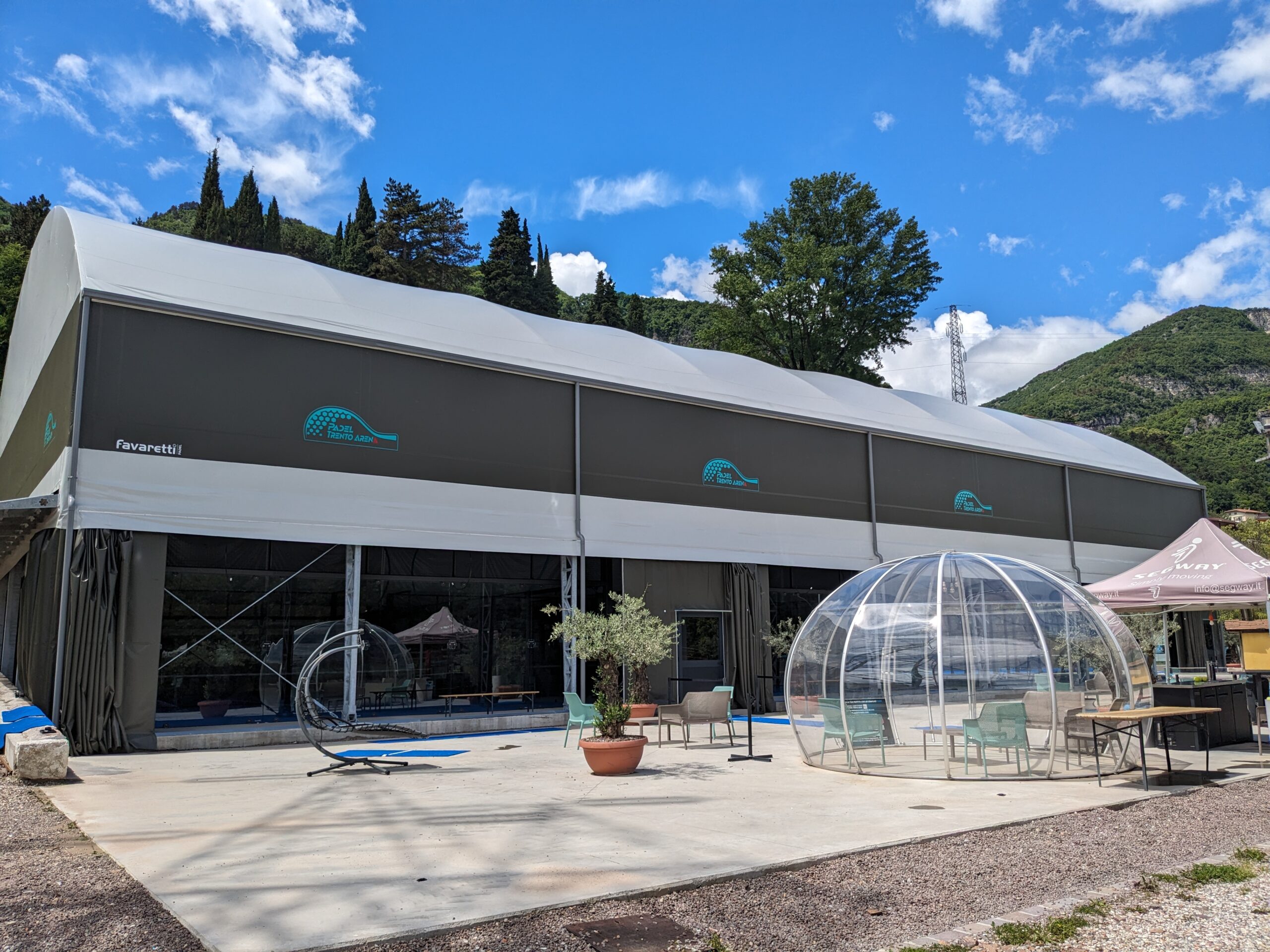
Modern padel court covers, like those built by Favaretti Padel, combine structural strength, aesthetics and comfort, shielding from rain, wind and direct sunlight, and improving the playing experience even during the hottest hours.
Building Relaxation Areas for Your Padel Club Community
The success of a Padel Club isn’t measured just by matches played, but by how long people choose to stay even after they’ve finished playing. That’s why social areas are essential: well-designed, welcoming and versatile spaces that let visitors linger, relax, catch up, or watch their friends play.
A well-designed lounge area, complete with sofas, tables and screens to broadcast matches or tournaments, can turn the club into a social hub even for non-players, opening the doors to a much wider audience.
These spaces can also include food and beverage areas offering healthy, quality options that go beyond the standard snacks and drinks: light meals, energy breakfasts, a coffee bar, and even a small selection of wines or craft beers.
For those looking to make the most of their time, these areas can also double as coworking spaces, ideal for getting some work done before or after training, or simply for reading and relaxing in a stimulating, dynamic environment.

Connecting All Areas for Maximum Comfort
To provide a pleasant experience, it’s essential that all the club’s areas are well connected to one another: from courts to changing rooms, from relaxation zones to food and beverage areas.
A smart layout, supported by modular and versatile covers, creates a seamless, continuous and sheltered environment where you can move freely without having to step outside every time you switch activities. This is especially true on cold or rainy days, when the integration of covered areas becomes a genuine competitive advantage.
Creating Events for Your Community
Finally, it’s worth thinking about how to keep the club lively and active every day. Building a community means creating shared experiences and opportunities to meet, such as organising padel tournaments, open days, group lessons, and even non-sporting events like aperitivos or presentations. All of this helps strengthen the sense of belonging and turn your members into a genuine community.